How Sun Exposure Should Guide Your Window Treatment Choices
Most homeowners’ window treatment choices are based on décor, color, material, or style. However, designers and window treatment professionals start somewhere entirely different: sun exposure.
Have you ever wondered why one room in your home feels comfortable compared to another? The answer is almost always orientation. The direction where your windows face has a major impact. It affects how hot a room gets, how bright it feels, and how usable it becomes throughout the day. A living room flooded with west-facing heat needs something different than a cool, softly lit north-facing dining room.
Understanding sunlight patterns is the key to choosing window treatments that make your home look good and feel good all year-round.
Why Sun Direction Matters in Choosing Window Treatments
Sun exposure affects:
- Temperature
- Glare
- Sleep quality
- Morning and afternoon comfort
- UV fading on furniture and floors
- Privacy during daytime or nighttime
- Energy efficiency
This is why two identical rooms in the same home can feel completely different.
In Texas, the sun is intense, direct, and dramatic, especially in the afternoon. Choosing window treatments without considering direction is like choosing flooring without considering foot traffic.
Let’s break down what each orientation needs and why.
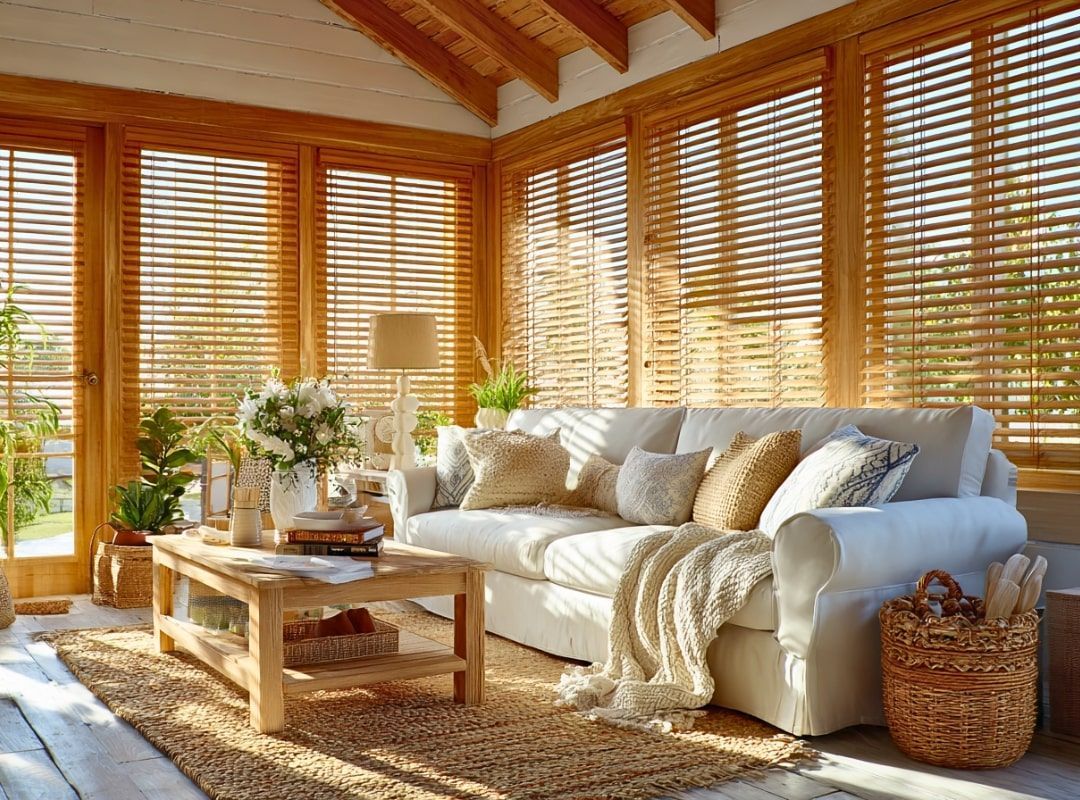
East-Facing Rooms: Soft and Bright in the Morning
East-facing windows bring in the earliest light of the day. In some rooms, that’s refreshing. In others, it’s disruptive.
Common issues of east-facing rooms:
- Early morning brightness in bedrooms
- Kids waking earlier than intended
- Breakfast nooks full of glare
- Uneven morning heat
Best treatments for east-facing rooms:
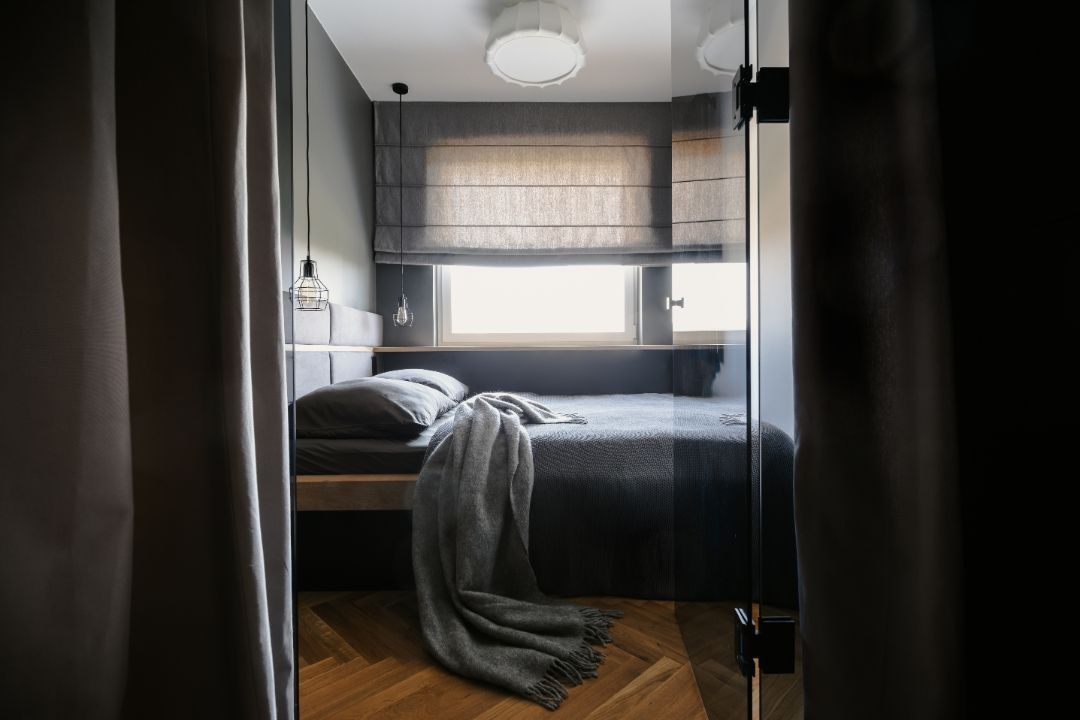
- Blackout Shades. For bedrooms, this is the most effective way to maintain consistent sleep patterns.
- Light-Filtering Roller Shades. Perfect for kitchens or breakfast areas that need softness without darkness.
- Layered Solutions (Shade + Drapery). Great for rooms where you want control; open for soft morning light, closed for privacy or dimness.
Why it works: East light is gentle but persistent. The goal is comfort without making rooms dark in the morning.
South-Facing Rooms: Bright, Consistent Light All Day
South-facing rooms receive steady sunlight from sunrise to sunset. It’s not as harsh as west-facing afternoon sun, but it’s constant, which affects furniture, floors, and temperature.
Common issues of south-facing rooms:
- UV fading
- Rooms becoming warmer than others
- Need for daytime privacy without losing natural light
Best treatments for south-facing rooms:
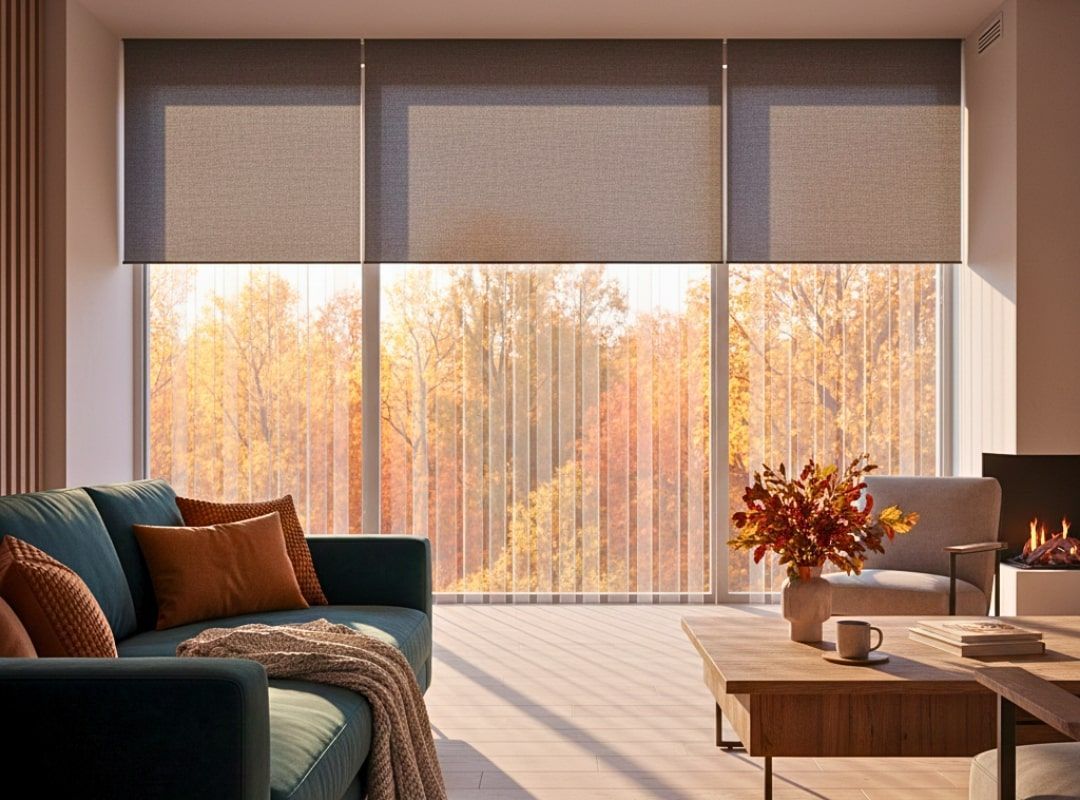
- Solar Shades. Reduce UV exposure while keeping rooms bright and open.
- Cellular Shades. Excellent for insulating and keeping energy bills stable.
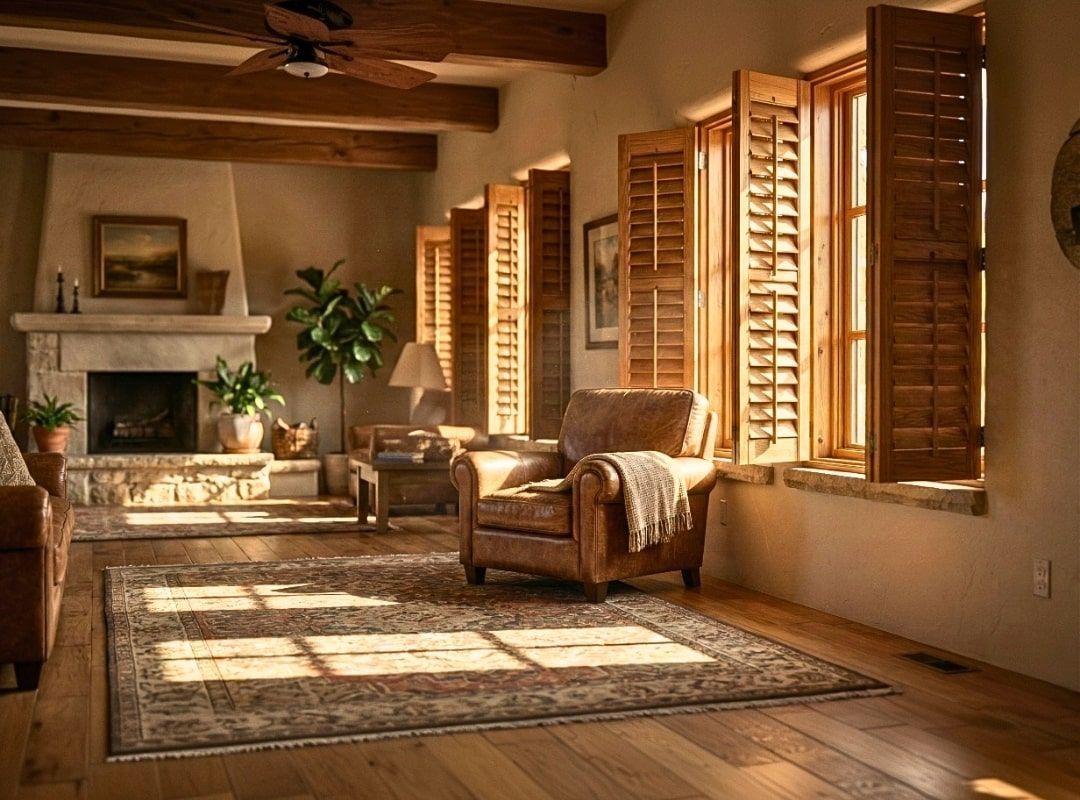
- Plantation Shutters. Give precise control of light direction and privacy.
Why it works: South-facing rooms benefit from treatments that manage light without removing it. It gives you control of the brightness, not block it entirely.
West-Facing Rooms: The Texas Heat Zone
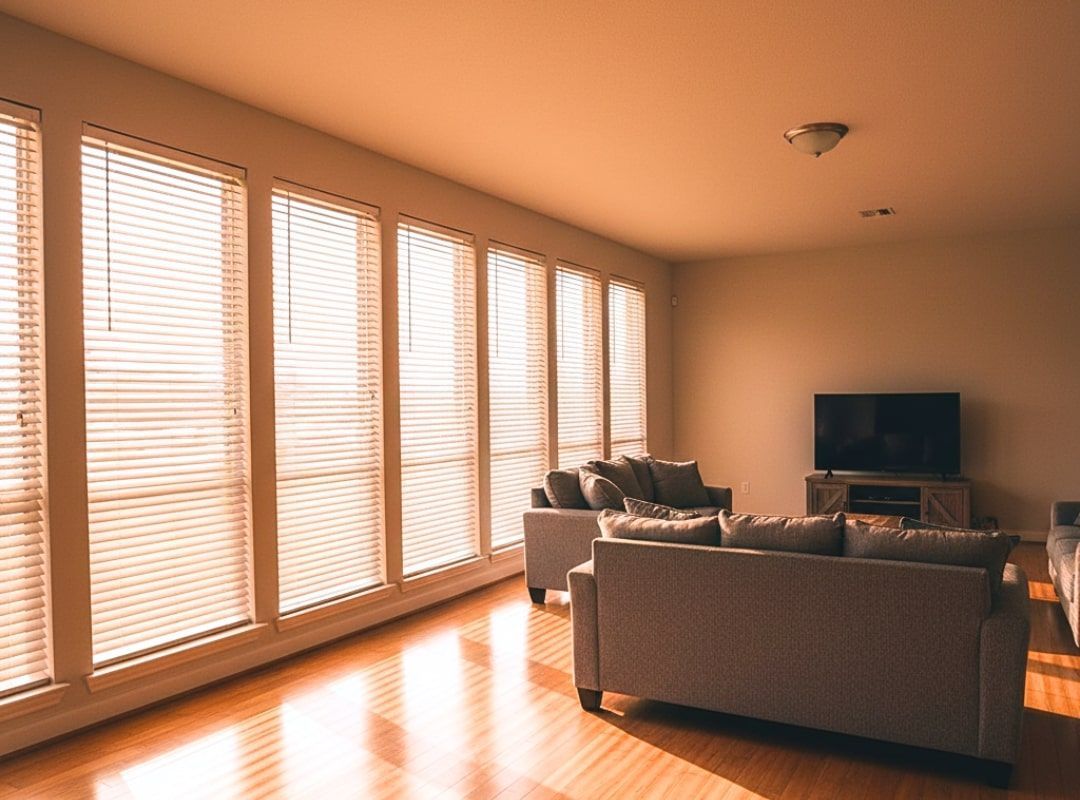
This is the direction that defines most window problems for those living in Waco, Texas. Afternoon sun from the west is intense, hot, and prolonged, especially between 3–7 PM. This is when living rooms, dining rooms, and media rooms often become unusable.
Common issues of west-facing rooms:
- Significant heat gain
- Harsh glare
- Rooms uncomfortable during the afternoon and evening
- A/C overworking
- Furniture and floors fading faster
Best treatments for west-facing rooms:
- High-Performance Solar Shades. Block heat while keeping outdoor views.
- Dual Roller Shades. Light-filtering for daytime + blackout or heat-control for evening sun.
- Motorized Shades. Program them to close automatically before the heat peaks.
- Layered Drapery + Shades. Adds insulation, reduces heat, and softens the room.
Why it works: West-facing windows require performance treatments, not just pretty ones. The right products can reduce heat dramatically and lower energy costs.
North-Facing Rooms: Soft, Indirect, and Flexible
North-facing rooms receive consistent, diffused light with minimal heat. That’s why they are the easiest rooms to design and the most forgiving.
Common issues of north-facing windows:
- Cool-toned light that can feel flat without texture
- Privacy might matter more than brightness
- Rooms that lack visual warmth
Best treatments for north-facing rooms:
- Roman Shades. Add softness and dimension.
- Wood or Faux Wood Blinds. Introduce warmth and structure.
- Sheer Shades. Perfect for maintaining brightness without glare.
- Decorative Drapery. An ideal finishing touch when heat isn’t a major concern.
Why it works: North-facing rooms prioritize aesthetics and texture since comfort issues are minimal.
4 Steps to Build a Whole-Home Window Plan Using Sun Exposure
Step 1. Identify your hottest rooms to determine where performance products matter most.
Step 2. Flag early-bright rooms such as bedrooms and nurseries with east-facing windows that often need blackout options.
Step 3. Protect rooms with valuable furniture. UV-heavy rooms such as south and west benefit from solar shades or treatments with strong UV control.
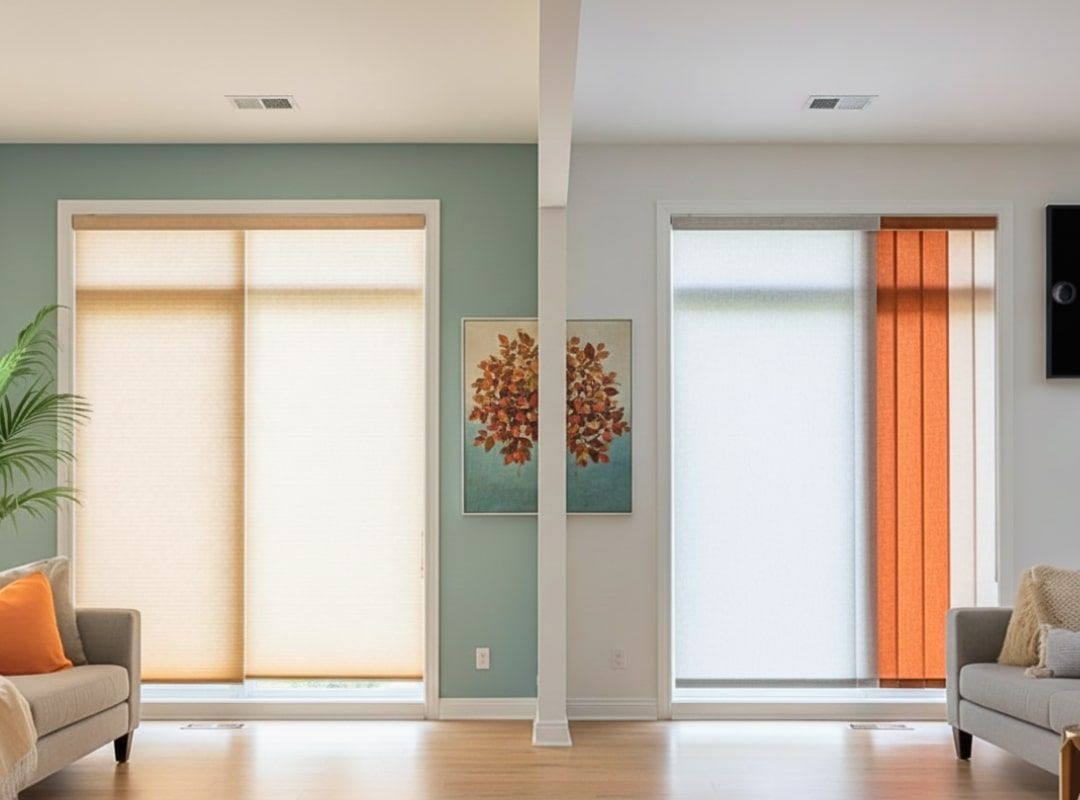
Step 4. Ensure cohesive light filtering. This is especially important for open-concept homes where consistency of light matters more than matching styles.
Once you see your home through the lens of light, choosing window treatments becomes less about guessing and more about clarity.
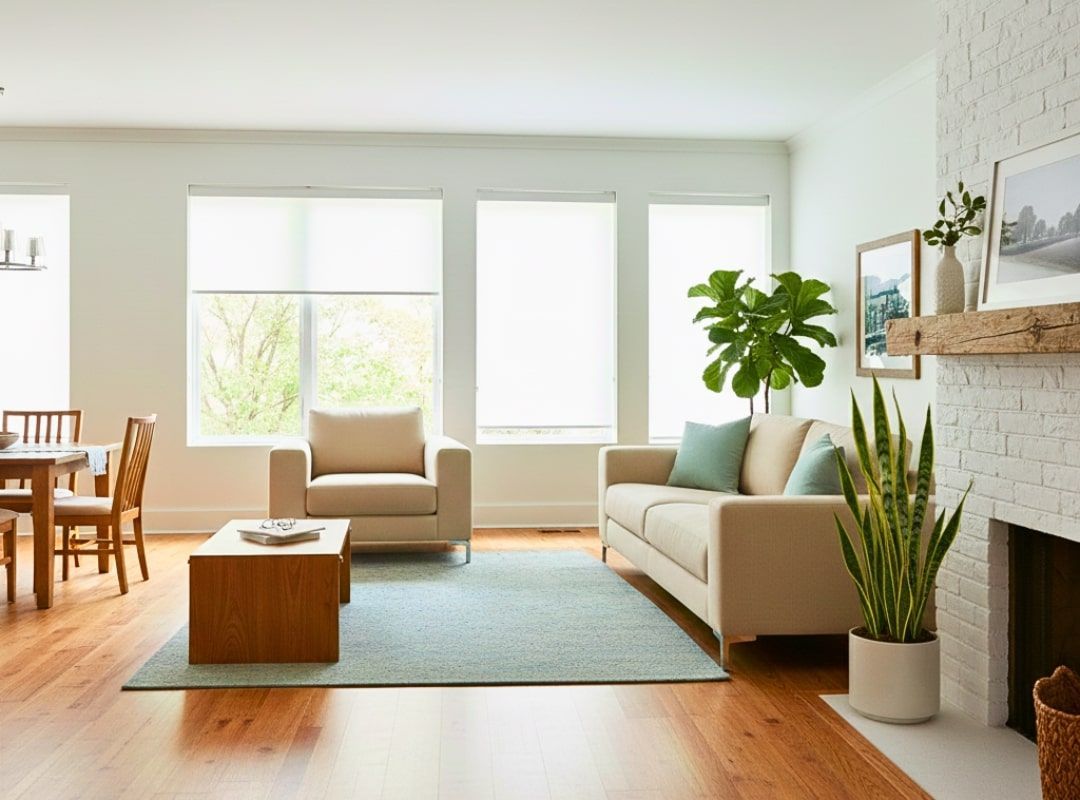
Why Professional Guidance Makes a Huge Difference
Sun exposure isn’t just a “north, south, east, west” situation. Professionals look at the following:
- Seasonal sun angles
- Window height differences
- Room function and daily use
- Wall color and how it reflects light
- Material longevity under UV levels
- How treatments affect adjacent rooms
This is where expertise turns into comfort and long-term savings.
Ready for a Window Plan Designed Around Sun Exposure?
When you choose window treatments based on sun exposure, you’re choosing a home that stays comfortable, efficient, and visually cohesive all year long.
At Love Is Blinds TX, we evaluate every window in your home based on orientation, lifestyle, privacy, and daily use. We help you choose the right treatments for each direction, not just the right color.
Book your orientation-based consultation today and feel the difference sunlight-aware design makes.
FAQs about Sun Exposure and Window Treatment Choices
Do different sides of the house really need different window treatments?
Sometimes, but not always. It depends on heat, glare, privacy, and how you use the room.
Why does the west-facing room feel so much hotter?
The angle of late-day sunlight is stronger, more direct, and hits for a longer duration.
How do I keep an open-concept space cohesive if each direction needs something different?
You can choose window treatments with different materials, textures, and light filtering.
Are solar shades enough for west-facing rooms?
Often yes, but many Texas homeowners benefit from pairing them with drapery for insulation.
Will you evaluate sun exposure during my consultation?
Absolutely. Orientation is one of the first things we assess because it shapes every recommendation.