5 Truths About Window Treatments Every Designer Knows
Walk into a beautifully designed home and you feel something before you notice anything specific. The light feels soft. The room feels balanced. Everything looks intentional because home designers know these fundamental truths about window treatments.
Window treatments shape that feeling more than most homeowners realize. Designers don’t treat blinds, shades, or drapery as finishing touches. They use them to control light, influence proportion, soften architecture, and make a space feel complete.
If you’ve ever wondered how designers create rooms that feel polished and effortless, here are the five things they wish every homeowner understood before choosing window treatments.
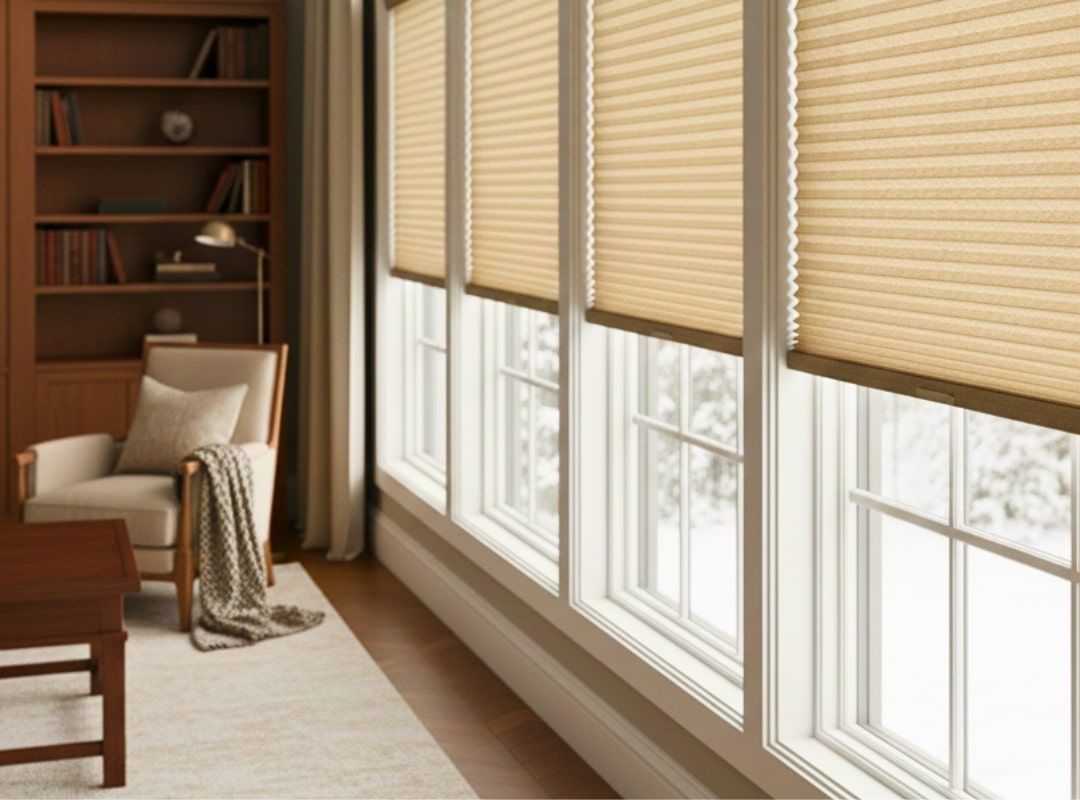
Truths about Window Treatments Every Designer Knows
1. Window treatments are one of the highest-impact design elements in your home.
Designers know a simple truth: If your windows look unfinished, the whole room looks unfinished.
Window treatments influence:
- perceived ceiling height
- how balanced a wall feels
- the softness or crispness of the room
- how colors shift from morning to evening
- your comfort while using the space
A room with great furniture but bare windows often feels stark. Meanwhile, a modest space with well-planned window treatments feels grounded and cohesive. Designers think of window treatments as visual architecture. They frame the room, control daylight, and connect the elements from floor to ceiling. That’s why windows become part of the design plan early on because they set the tone for the entire home.
2. Good window treatments last 10–20 years; cheap ones rarely last 2–3.
Longevity is one of the biggest differences between designer-recommended window treatments and budget options. Designers avoid flimsy blinds that warp, discolor, or break because they want solutions that provide years of trouble-free use.
Here’s what designers wish more homeowners understood:
- Quality mechanisms matter more than color or pattern.
- Daily-use windows need stronger components.
- Cheap blinds cost more in replacements than premium products cost upfront.
High-quality shades, shutters, and blinds are engineered to handle thousands of open-and-close cycles. They resist fading in intense Texas sunlight and maintain their shape over time. A designer’s philosophy is simple: invest in durable treatments for the windows you use the most. It saves you money and frustration in the long run.
3. Measuring and mounting affect the design as much as the product.
This is the detail most homeowners overlook, but designers never do. Even the most beautiful shade or drapery fails if it’s measured or installed incorrectly. Small errors affect the entire room.
Designers evaluate:
- Mount height. Higher placements elongate the walls.
- Width and stack. They determine balance and light gaps.
- Inside vs. outside mount. This shifts the visual weight.
- Proportion. Window treatments should support the architecture.
A few examples:
- Low drapery mounts visually shorten the room.
- Undersized blinds create awkward light leaks.
- Incorrect depth measurements prevent proper installation.
- Even slight crookedness becomes obvious over time.
This is why designers rarely recommend DIY measurements. Precision determines the final result as much as the style.
Professional installers study the entire wall, sightlines from inside and outside, and how the treatment will perform in real daily use. That level of detail makes the finished product feel intentional and refined.
4. Cohesion doesn’t mean matching everything. It means everything works together.
Designers often discourage homeowners from using identical treatments throughout the entire home. Uniformity rarely creates the best look. Instead, designers aim for visual harmony.
They consider:
- how textures coordinate
- whether light filtering feels consistent
- how colors relate across open sightlines
- whether each treatment supports the room’s function
- which materials fit the home’s architecture
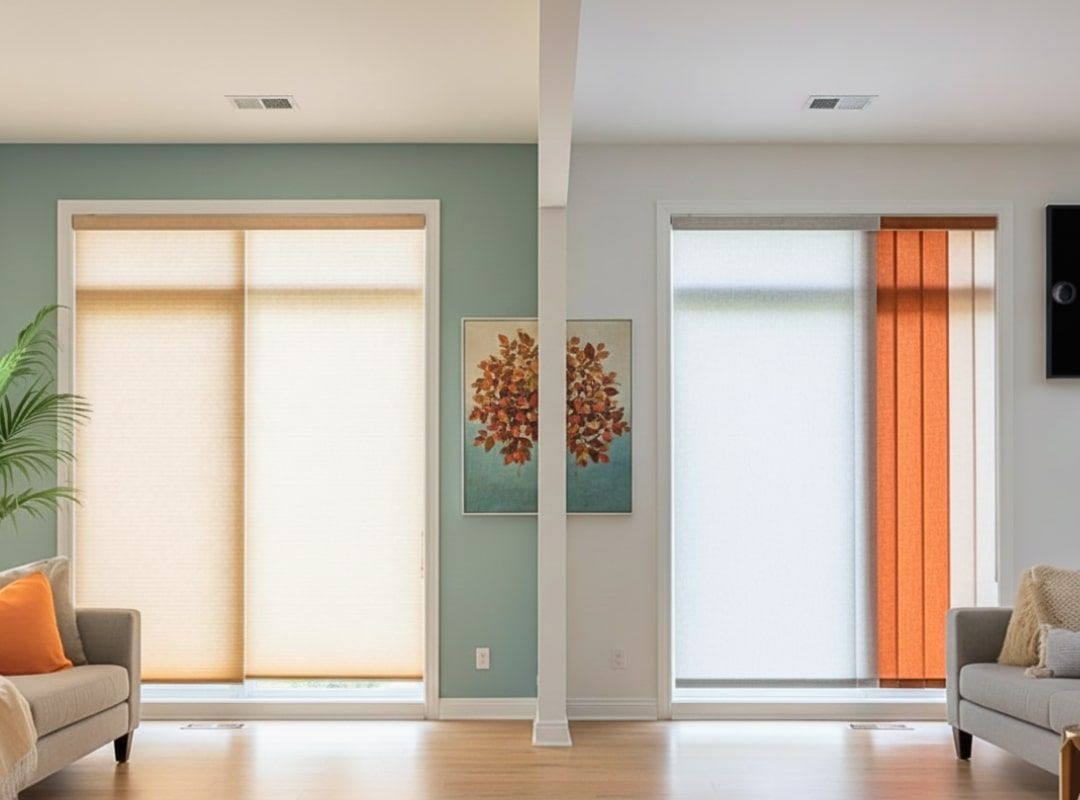
It’s a common misconception that open-concept homes require matching treatments. A cohesive design should feel that everything is connected, but never repetitive. Cohesion comes from flow, not duplication.
Designers disagree because they might use:
- Roller shades in the living room
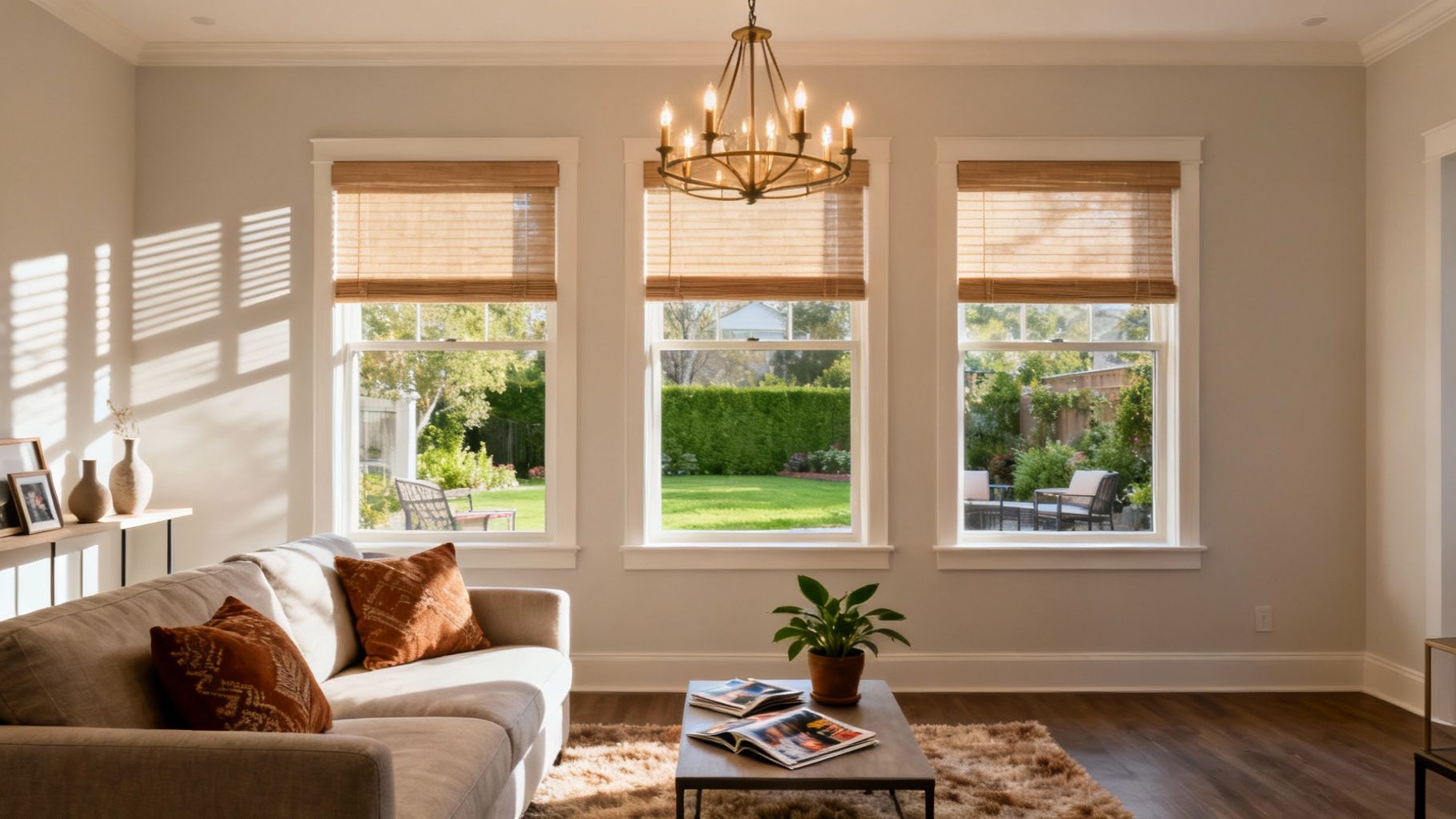
- Roman shades in the dining area
- Drapery panels framing patio doors
- Coordinated materials or color tones across them all
5. Privacy and light needs should drive decisions before aesthetics.
Many homeowners in Weatherford, Texas choose a style first. Designers start with function, because the wrong function becomes an everyday annoyance.
Designers often ask:
- What direction does the light come from?
- Does the room need blackout, filtering, or heat control?
- How close are neighboring homes?
- Does glare hit screens or workspaces?
- Does the homeowner want morning sun or darkness?
- Does the room need UV protection or softness?
Once they understand how the room is used, they select materials, colors, and textures that support those needs.
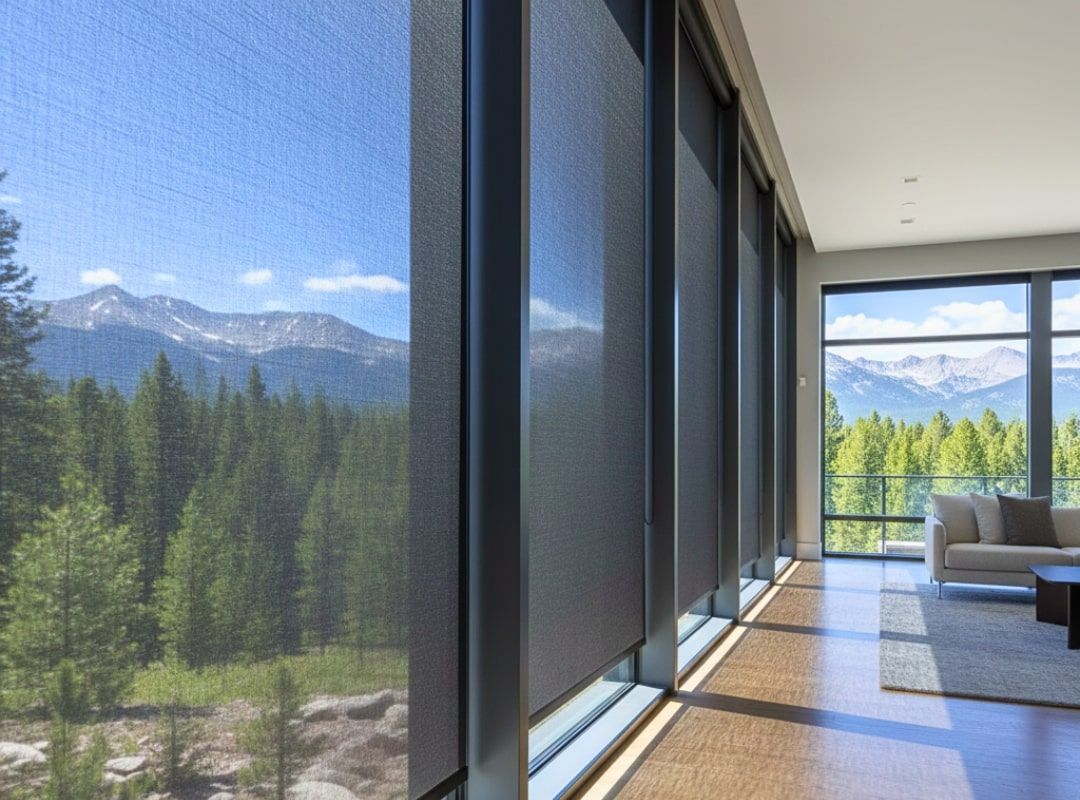
Texas homes require especially careful planning due to:
- intense west-facing heat
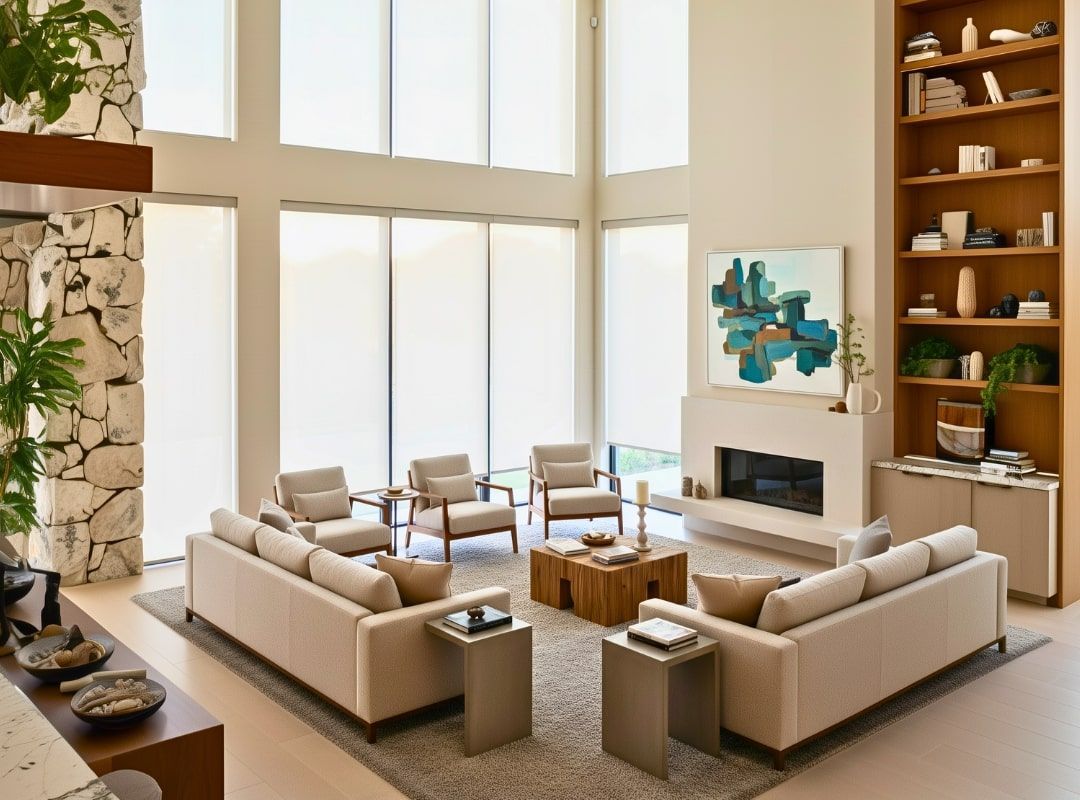
- tall windows in newer builds
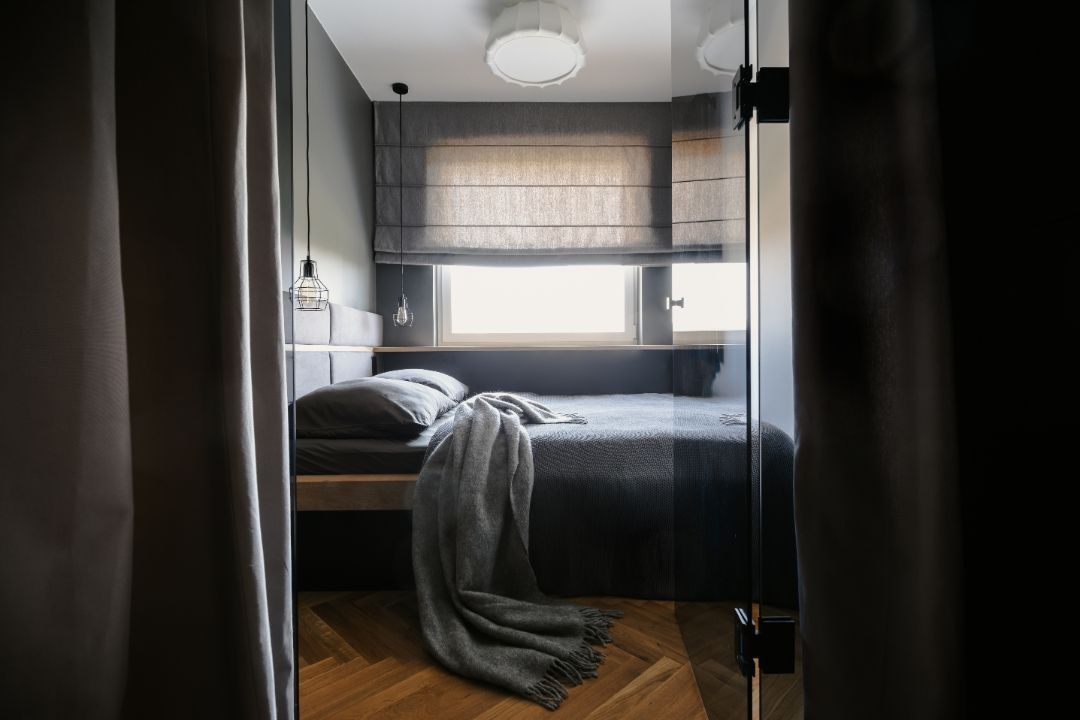
- bright east-facing bedrooms
- shifting light in open layouts
- privacy challenges in growing neighborhood
Designers get this right because they design for real living, not staged photos.
Ready for Window Treatments Chosen With a Designer Mindset?
If you want a home that feels complete, comfortable, cohesive, and thoughtfully designed, invest in smart window treatments.
At Love Is Blinds TX, we guide homeowners through the same principles designers use every day:
- understanding natural light
- selecting durable, long-lasting products
- measuring and installing with precision
- coordinating treatments across open sightlines
- planning for privacy, comfort, and heat control
Whether you’re updating one room or the entire home, our family-owned team brings design-level expertise and warm, neighborly service to every visit.
Schedule your design-focused consultation today, and let’s create a home that feels beautifully finished.
FAQs about Window Treatments
Do I need an interior designer to get great window treatments?
No. Our consultants use the same foundational design principles; light, proportion, cohesion, and function.
How do I choose between blinds, shades, and drapery?
Start with privacy and light needs. Once the function is clear, the right product becomes obvious.
Can I mix different treatments in an open-concept home?
Yes. Coordination creates flow. Matching everything often feels harsh or repetitive.
Will high-quality window treatments really last longer?
Absolutely. Premium treatments often last 10–20 years, even with daily use and Texas sunlight.
Do you handle tricky windows like arches, tall windows, or bays?
Yes. Our team specializes in custom solutions for challenging shapes and oversized spaces.